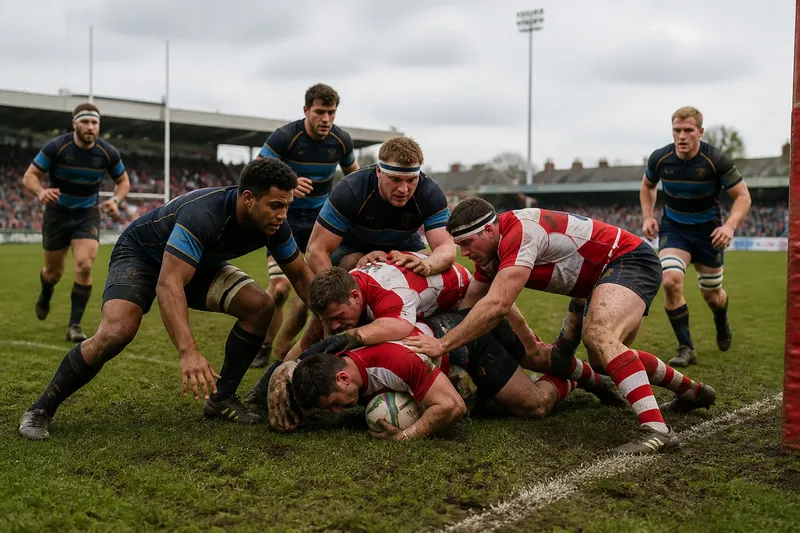
Scrum-Half or Fly-Half: Two Different Jobs in the Attack
Scrum-half or fly-half: see who links the breakdown, who shapes the next attack and how to judge each player’s choices when a move loses its rhythm.
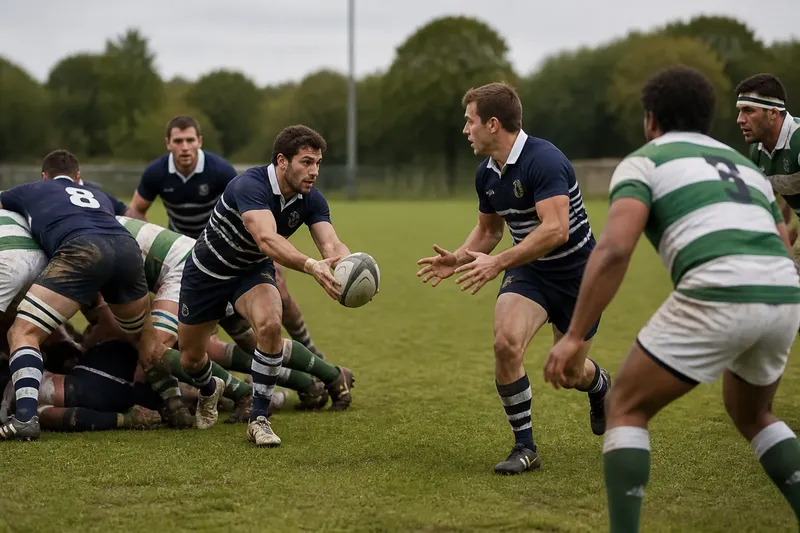
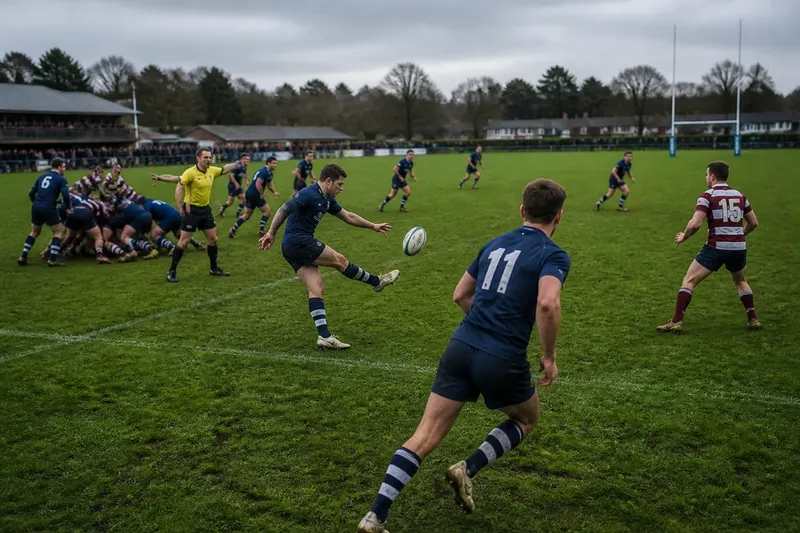
When a rugby attack stalls after a tackle, should you watch the scrum-half or the fly-half? To tell the difference, follow the pass: the scrum-half usually delivers from the base, while the fly-half often receives it and chooses how to shape the next attack.
Those are common jobs, not fixed scripts. A scrum-half can carry or kick, and a fly-half can receive close to the breakdown. Watch what each player actually does rather than relying on position labels alone.
Scrum-half or fly-half
The scrum-half commonly works close to the breakdown, where they assess whether the ball is available and which teammate is ready to receive it. Their delivery can influence the next runner’s pace and direction, but the scrum-half also has to respond to defensive pressure and the team’s plan.
The fly-half often acts as first receiver, taking the pass with a broader view of the defensive line. They may move the ball to a centre, send it wider, kick into space or carry. Which option is available depends on the attackers’ spacing, the defence and the quality of the delivery.
Think of the distinction as two linked decisions: who organises the ball from the base, and who reads the defence after receiving it? Some teams use a centre or full-back as first receiver, so the player making that second decision may not be the fly-half.
Reading the handover
Start at the moment the ball leaves the breakdown. Note whether the scrum-half has a clear route to it, then track the pass to its receiver. If that player has to stop, reach back or change direction, the delivery may have altered the timing of the attack.
Then shift your attention to the first receiver. Are support runners available, and is a defender moving up to close the space? These details help distinguish a difficult decision from a poor one: a simple pass may be sensible if other routes have already disappeared.
Where attacks lose shape
Late delivery: The ball may not be ready, teammates may still be protecting it, or the scrum-half may be choosing between options. Check the sequence before blaming a slow pass; the delay may have begun before the scrum-half could act.
Uncomfortable pass: A pass behind a moving receiver can force them to turn or adjust their stride. Follow the receiver’s hands and feet: if they have to break their running line, the pass may have disrupted the next action. If they were stationary, their positioning may also have limited the scrum-half’s target.
Flat first receiver: A fly-half close to the defensive line has less room to move the ball or change direction. Look at the spacing and timing of the runners as well as the fly-half’s position; a late pass or a slow support line can make the whole attack appear flat.
Obvious pass: Sending the ball to the nearest centre can look predictable, but the defence may already have removed other options. Check what defenders were doing as the ball arrived and whether a support runner offered a usable alternative.
When roles change
A scrum-half may run from the base if defenders leave space nearby. A fly-half may receive close to the breakdown as part of a planned change of angle. In either case, identify who is organising the delivery and who is reading the defence; the job is clearer than the shirt number.
A centre, full-back or another back can also become first receiver. Follow the player taking the pass and observe whether they direct the next action. That makes the role visible even when the usual fly-half is elsewhere.
What do viewers ask?
Who starts the next phase?
The scrum-half commonly collects or directs the ball from the base and sets the next pass in motion. Watch the player closest to the ball as it becomes available.
Who chooses the attacking option?
The first receiver often chooses whether to pass, carry or kick. A team pattern may shape that decision, so watch the runners and defensive line too.
Why can a pass look rushed?
The ball may be under pressure, the receiver may not be ready, or support runners may still be getting into position. Check those conditions before deciding that the passer simply made a poor choice.
Can one player do both jobs?
Yes. A scrum-half can carry or distribute further across the field, and a fly-half can receive close to the breakdown; teams can also use another player as first receiver.
Tracing one attack
Say you are watching an invented, hypothetical attack: the scrum-half has a clear ball and passes to a moving fly-half, who sends it to a centre as defenders close. First, follow the pass: imagine it arrives behind the fly-half, forcing them to slow down. Next, note that the centre is ready but the defenders have closed the direct lane. The observable result is a centre receiving under pressure; the likely trade-off is that the fly-half has little time to use another option, while the awkward delivery has already slowed the move.
When you watch scrum-half or fly-half play, track the ball from the base to the first receiver, then watch the defenders and runners around that player. You can then locate where the attack lost its options without assigning every problem to one position.